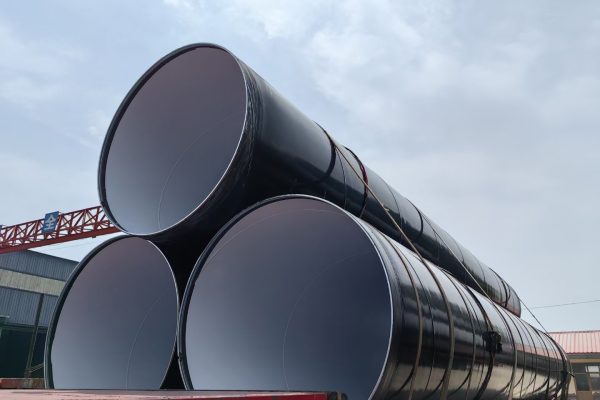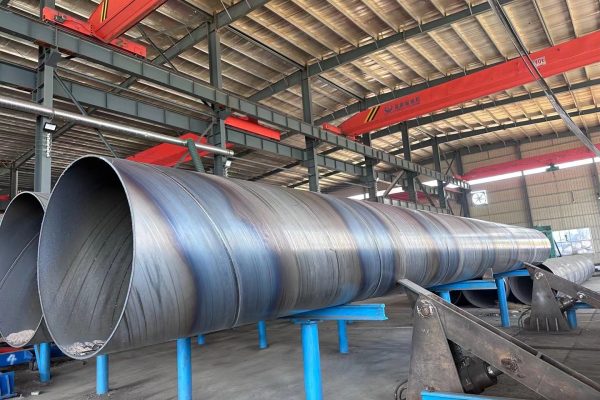




(Introduction)
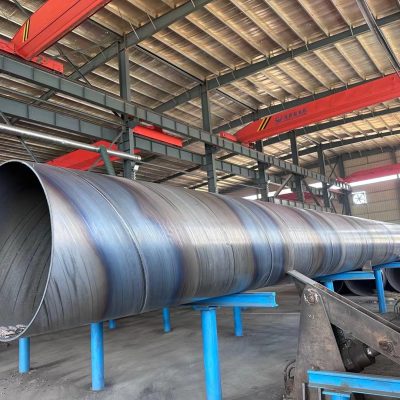
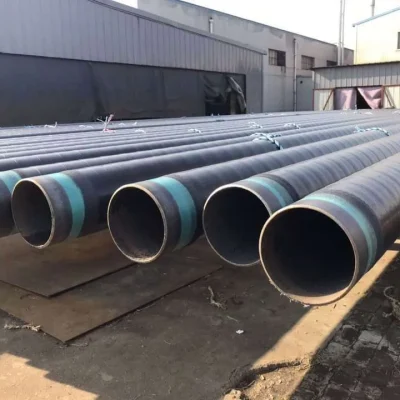
Spiral welded pipes are critical components in everything from piling and infrastructure to water transmission. However, the purchasing process is fraught with potential pitfalls that can compromise your project's integrity, timeline, and budget. A buying decision based solely on the lowest price often leads to the highest long-term costs. This guide will walk you through the most common mistakes engineers, project managers, and procurement specialists make and how to avoid them, ensuring your next purchase is sound, secure, and successful.
Mistake #1: Prioritizing Unit Price Over Total Cost of Ownership
This is, without a doubt, the most frequent and costly error.
The Problem:
It's tempting to choose the supplier with the lowest price per meter or ton. However, this initial saving can be illusory. A cheaper pipe often means:
- Inferior raw material (steel coil) quality, leading to faster corrosion and a shorter service life.
- Less stringent manufacturing controls, increasing the risk of failures like pinhole leaks or seam cracks.
- Higher installation costs due to dimensional inaccuracies or poor roundness.
The Smart Buyer's Approach:
Always evaluate the Total Cost of Ownership (TCO). This includes:
- Initial Purchase Price: The upfront cost.
- Installation & Handling Costs: Will poor geometry or surface defects slow down my team?
- Maintenance & Repair Costs: How long will the pipe last before needing service or replacement?
- Failure Risk Cost: What is the financial and reputational impact of a pipe failure on my project?
A slightly more expensive pipe from a reputable manufacturer that offers proven longevity and reliability will almost always provide a lower TCO.
Mistake #2: Overlooking the Criticality of Material Certification
Not all steel is created equal. Assuming a pipe meets your specified grade without verified proof is a significant gamble.
The Problem:
The mechanical and chemical properties of the steel coil (e.g., yield strength, tensile strength, carbon content) directly determine the pipe's performance. Using uncertified or misgraded material can lead to catastrophic failure under pressure or in challenging soil conditions.
The Smart Buyer's Approach:
- Insist on a Mill Test Certificate (MTC): Also known as a Material Test Report, this is a passport for your steel. It is a certified document from the steel mill that verifies the chemical composition and mechanical properties of the batch used to make your pipes.
- Verify the Traceability: Ensure the MTC corresponds to the specific heat number or batch of your pipe shipment. A professional supplier will provide this without hesitation.
Mistake #3: Ignoring Dimensional Tolerances and Straightness
Spiral welded pipes are not just "tubes"; they are precision-engineered components. Failing to specify and check tolerances can derail an installation.
The Problem:
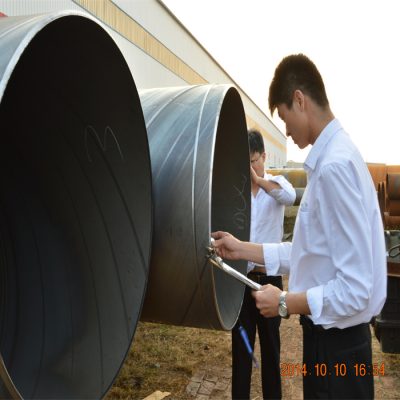
Pipes that are out-of-round (ovality), have inconsistent wall thickness, or are not straight can cause a domino effect of issues:
- Difficult and time-consuming welding during jointing.
- Incompatibility with fittings, valves, or sleeves.
- Compromised structural integrity in piling and structural applications.
The Smart Buyer's Approach:
- Know the Standards: Be familiar with the dimensional tolerances outlined in relevant standards like ASTM A139, API 5L, or EN 10219.
- Specify Clearly: In your Request for Quotation (RFQ), explicitly state the required tolerances for outside diameter, wall thickness, ovality, and straightness.
- Request QC Data: Ask the manufacturer for their internal quality control reports that verify these dimensions.
Mistake #4: Failing to Assess the Manufacturer's Technical Expertise
The quality of a spiral welded pipe is a direct reflection of the manufacturer's process and knowledge. Buying from a "order-taker" instead of a "solution-provider" is a risk.
The Problem:
Many suppliers simply manufacture to a print without understanding the application. Can they advise on the best steel grade for a corrosive environment? Do they understand the stresses involved in deep piling?
The Smart Buyer's Approach:
- Ask Technical Questions: Gauge their expertise. Ask, "What grade do you recommend for a marine environment with high chloride levels?" or "How does your process ensure consistent weld penetration?"
- Evaluate Their Questions: A good manufacturer will ask you about your application, installation method, and service conditions. If they aren't asking questions, they aren't invested in your project's success.
- Request Project Case Studies: A reputable factory will be proud to share examples of past projects similar to yours.
Mistake #5: Neglecting End-Finishing, Coating, and Protection for Shipping
Your pipe's journey doesn't end at the factory. How it is prepared for transport is crucial to its condition upon arrival.
The Problem:
- Pipe Ends: Untreated or damaged pipe ends can make field welding impossible, requiring costly on-site re-beveling.
- Corrosion During Shipping: Pipes shipped without proper protection can begin to rust during ocean transit, arriving on your site already compromised.
- Physical Damage: Improper bundling and packing can lead to bending or denting.
The Smart Buyer's Approach:
- Specify End Protection: Require plastic or steel end caps to protect the beveled ends.
- Discuss Coating Needs: For non-bare pipe applications, discuss temporary or shop-applied protective coatings to survive the shipping environment.
- Confirm Packing Methods: Ensure the supplier uses sturdy timbers and proper strapping to prevent movement and damage during transit.
Conclusion: Partner, Don't Just Purchase
Purchasing spiral welded pipes is more than a transaction; it's the foundation of your project's integrity. By avoiding these five common mistakes, you shift from being a simple price-driven buyer to a value-driven partner.
The key takeaway is due diligence. Invest time in verifying certifications, understanding the manufacturing process, and choosing a supplier with the technical capability to support your specific needs.
Ready to make a smart purchase? Don't leave your project to chance. Contact our technical experts today for a consultation. We provide certified materials, detailed mill test reports, and application-focused support to ensure your spiral welded pipes meet the highest standards of quality and performance.