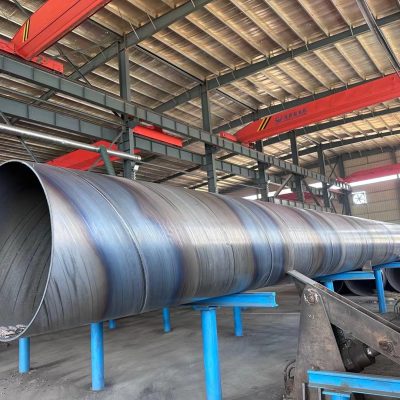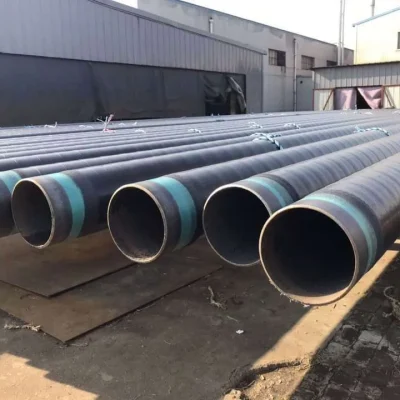




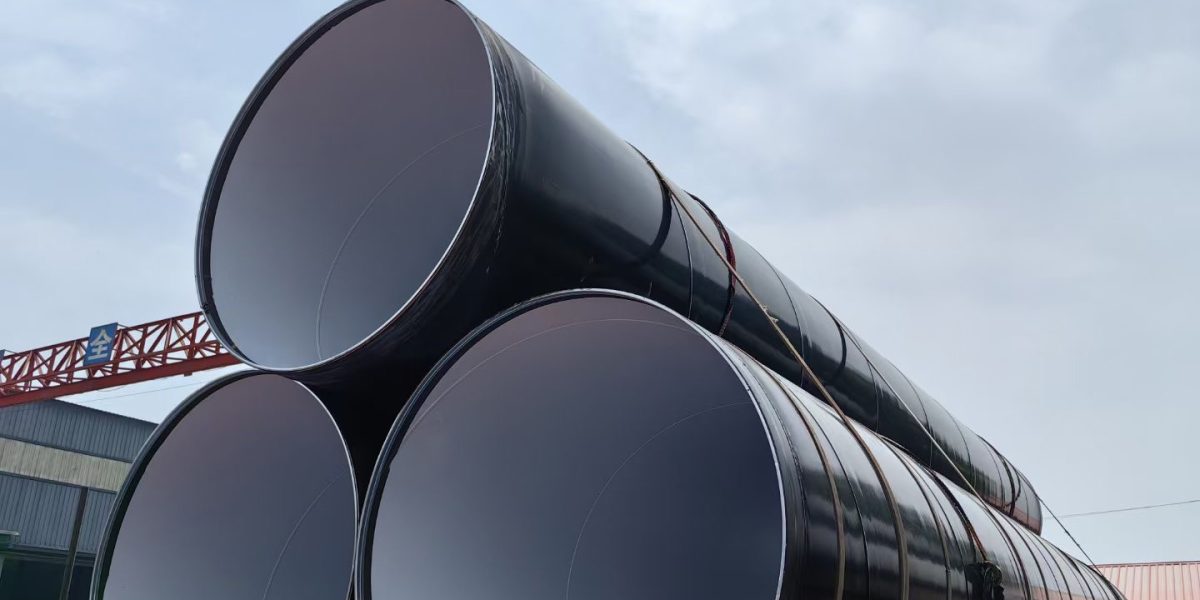
Steel pipes form the backbone of modern infrastructure, from transporting water and oil to providing structural support. However, their greatest enemy is always corrosion. Without protection, steel can succumb to rust, leading to leaks, structural failures, and costly replacements. This is where protective coatings come in—they are the pipe's shield. But with various coating types available, how do you choose the right one? This guide breaks down the most common types of coated steel pipes, their advantages, and their ideal applications to help you make an informed decision.
Why Do Steel Pipes Need Coating? The Critical Battle Against Corrosion
Before diving into the types, it's essential to understand the "why." A coating is not just paint; it's a engineered barrier system that protects the pipe in two primary ways:
Barrier Protection: It physically prevents corrosive elements like water, oxygen, and soil chemicals from reaching the steel surface.
Cathodic Protection: Some coatings (like zinc) act as a sacrificial anode. Even if the coating is scratched, the zinc corrodes instead of the steel, protecting the underlying material.
Investing in the correct coating dramatically extends a pipe's service life, reduces maintenance costs, and ensures system integrity.
Type 1: Galvanized Steel Pipes (The Classic Workhorse)
Galvanizing is one of the oldest and most widespread methods for protecting steel pipes, primarily by applying a zinc layer.
Subtypes and Process:
Hot-Dip Galvanizing (HDG): The pipe is immersed in a molten zinc bath, creating a thick, robust, metallurgically bonded coating that covers both the exterior and interior.
Electro-Galvanizing: A thinner layer of zinc is applied using an electrical current. This provides a smoother finish but offers less corrosion resistance than HDG.
Key Characteristics:
Appearance: Characteristic spangled (crystalline) pattern.
Thickness: HDG coatings are typically thicker and more durable.
Protection: Offers both barrier and sacrificial (cathodic) protection.
Common Applications:
Water supply lines and plumbing systems.
Fencing, handrails, and structural frameworks.
Outdoor electrical conduits.
Type 2: Fusion-Bonded Epoxy (FBE) Coated Pipes (The Underground Champion)
FBE, often called "powder coating," is the global standard for protecting buried and submerged pipelines, especially in the oil and gas industry.
The Process:
The steel pipe is heated and then sprayed with a dry epoxy powder, which melts and fuses to the steel to form a tough, chemically cross-linked polymer coating.
Key Characteristics:
Appearance: Typically a dark green, black, or tan color with a uniform, slightly textured finish.
Performance: Excellent adhesion, high corrosion resistance, and outstanding resistance to cathodic disbondment.
Durability: Very hard and resistant to mechanical damage during handling and soil stress.
Common Applications:
Buried oil and gas transmission pipelines.
Water and sewage pipelines.
Piling in marine environments.
Type 3: Polyethylene (PE) and Polypropylene (PP) Coated Pipes (The Heavy-Duty Protector)
These are 3-layer coating systems that provide superior mechanical protection and are often used in demanding environments.
The Process (3-Layer PE/PP):
A fusion-bonded epoxy (FBE) primer is applied for adhesion.
A copolymer adhesive layer is applied.
An outer layer of extruded polyethylene (PE) or polypropylene (PP) is added.
Key Characteristics:
Appearance: Typically black (PE) or yellow/red (PP), with a smooth, plastic-like finish.
Performance: PP coatings offer superior resistance to higher temperatures. Both provide excellent impact resistance and protection against soil stress and rocks.
Mechanical Strength: Thicker than FBE alone, offering superb protection against handling damage.
Common Applications:
Pipelines crossing rocky terrain.
Directional drilling and Horizontal Directional Drilling (HDD) projects.
Submarine pipelines.
Type 4: Concrete Weight Coated Pipes (The Subsea Stabilizer)
This coating is not primarily for corrosion protection but for mechanical stability. It is used in conjunction with other anti-corrosion coatings.
The Process:
A thick layer of steel-reinforced concrete is applied over the pipe's primary coating (which is typically FBE or 3LPE).
Key Characteristics:
Appearance: A thick, grey, concrete cylinder around the pipe.
Function: Provides negative buoyancy to keep submarine pipelines on the seabed. It also offers mechanical protection.
Combination System: The concrete coat protects the anti-corrosion coating underneath from physical damage.
Common Applications:
Submarine and subsea pipelines.
River crossings.
Type 5: Other Specialized Coating Types
For specific applications, other coating types are also used:
Coal Tar Enamel (CTE): A traditional, thick coating with excellent water resistance. Its use has declined due to environmental and health concerns.
Polyurethane Coatings: Known for excellent abrasion resistance and flexibility, often used for flowlines and reeled pipe.
Liquid Epoxy & Phenolic Linings: Used for internal coating of pipes to protect against corrosion from the transported fluid (e.g., corrosive water, chemicals) and to reduce friction, improving flow.
How to Choose the Right Coating: A Quick Guide
Selecting the appropriate coating depends entirely on the service environment and application.
Application / Environment Recommended Coating Type(s)
General Plumbing, Outdoor Structures Galvanized Steel Pipes
Buried Oil, Gas, or Water Pipelines Fusion-Bonded Epoxy (FBE)
Rocky Soil, HDD, High-Impact Risk 3-Layer Polyethylene (3LPE)
High-Temperature Service (up to 125°C) 3-Layer Polypropylene (3LPP)
Submarine Pipelines (Buoyancy Control) FBE/3LPE + Concrete Weight Coating
Internal Corrosion / Flow Efficiency Internal Epoxy or Phenolic Linings
Conclusion: The Right Coating is a Long-Term Investment
A coated steel pipe is a product of sophisticated engineering. The coating is its first and most important line of defense, directly determining the project's lifecycle cost and reliability. By understanding the strengths and ideal uses of galvanizing, FBE, 3LPE, and concrete coatings, you can move beyond a simple purchase and make a strategic decision for your project's future.
Need help specifying the right coated pipe for your specific environment and requirements? Contact our technical team today. We have the expertise to guide you through the selection process and supply you with high-quality, certified coated steel pipes that stand the test of time.